

The Ohana Edit
What the B Impact Assessment really means for Ohana Mua
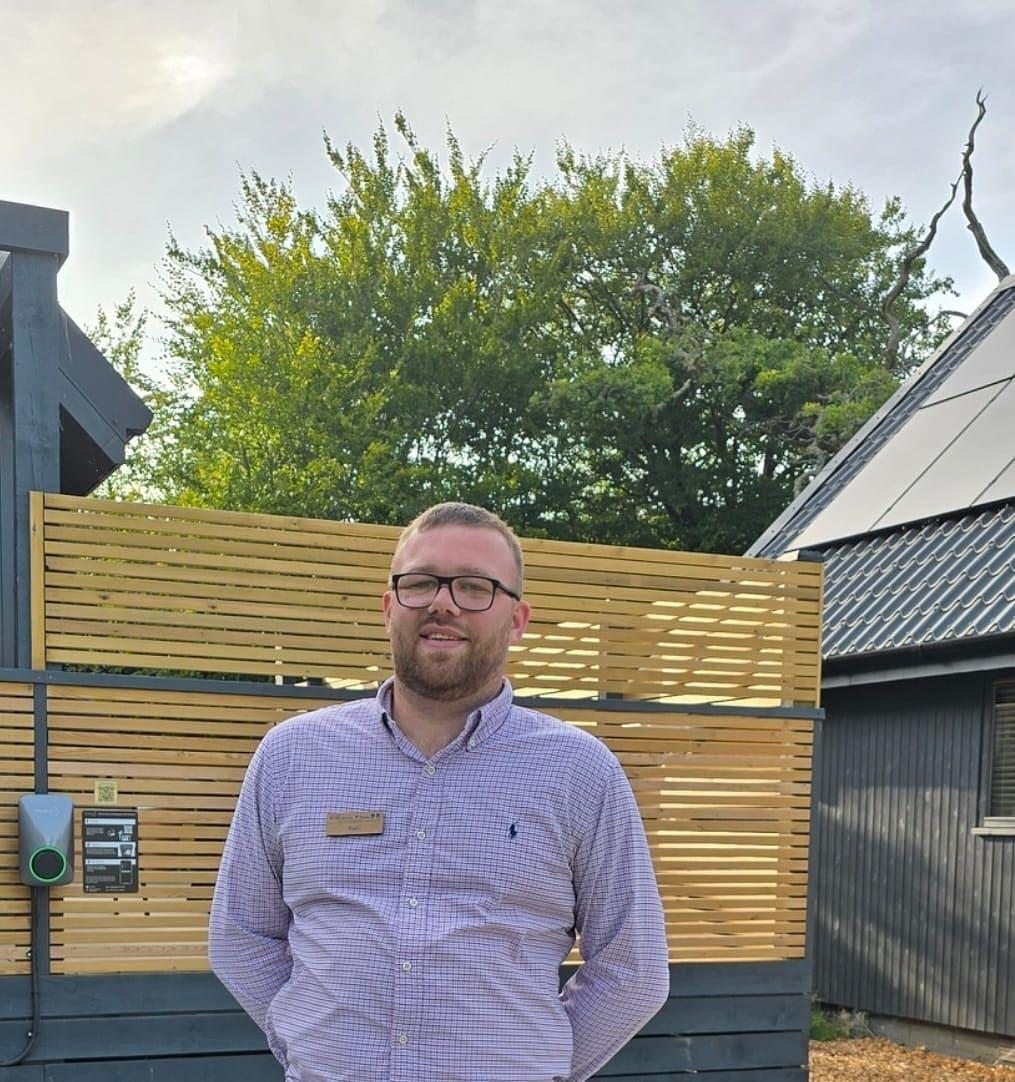
Shared by Karl
Our Chief Operating Officer at Ohana Mua
Welcome to The Ohana Edit, a blog series from the Ohana Mua team and our partners, where we share real stories, honest reflections and a bit of the thinking behind what we’re building.
During B Corp Month, we’ve been talking openly about our journey towards B Corp certification. On social media, it’s easy to share ambition. Here, Karl, our Chief Operating Officer, gets into what the B Impact Assessment actually involves, what it means for guests staying with us and why, for Ohana Mua, this matters well beyond a badge.
Karl: What the B Impact Assessment really means for Ohana Mua
I joined Ohana Mua because I believed something the hospitality industry too rarely proves: that you can build destinations that are commercially strong, genuinely responsible and still a brilliant place to stay. The B Corp journey is how we keep ourselves honest about that.
We’re currently B Corp Pending. That status isn’t a marketing claim. It’s a commitment to be measured against a globally recognised standard and to show, with evidence, that we’re building a responsible business. Whether you’re a guest deciding where to spend a long weekend, or an organisation thinking about where to bring your team, I think it’s worth knowing what that actually involves.
What the assessment measures
The B Impact Assessment examines how a company performs across five areas: governance, workers, community, environment and customers. It looks at how decisions are made, how people are treated, how supply chains are managed and how environmental impact is understood and reduced.
Here’s the thing: you don’t get credit for intentions. You get credit for evidence. Policies must exist. Processes must be embedded. Impact must be measurable.
For a growing business, that kind of discipline is valuable because it’s demanding. It means the standards we’ve set at our first destination, The Vale in Cornwall, become the blueprint for every destination that follows.
What it looks like in practice
At The Vale, we invested over £1 million with sustainability as the lens for every decision. Not because it was the cheapest route, but because it was the right one. Here’s what that looks like across our five pillars.
Ohana: people, community and partnerships
“Ohana” means family, and that extends beyond guests to our colleagues, local communities, suppliers and partners. Fair pay, local producers, charity partnerships. Holiday destinations shouldn’t extract value from a place. They should contribute to it.
Governance
We’ve formalised our commitment through updated articles of association, so stakeholder responsibility is baked in structurally, not just written into a mission statement. Long-term thinking over short-term wins.
Energy
We’ve installed solar panels and battery storage, removed oil heating entirely, improved insulation and adopted LED lighting across the site. In our first seven months, we’d already saved 11 tonnes of CO₂. Guests still enjoy warmth, comfort and high-spec design, but with significantly lower environmental impact.
Water and waste
Water efficiency and waste reduction are everyday operational decisions. Low-impact hot tub technology, recycling infrastructure across the site and eco-conscious consumables throughout. Progress is possible, measurable and continuous, and we’ll keep making it.
Wellbeing
We believe destinations should restore people. Thoughtful design, outdoor space and nature integration, materials that enhance comfort without excessive resource use.
What guests notice
When we ask guests how much they noticed sustainability being integrated into their stay and the wider environment, 96% give us the highest possible score. That tells us the work is being felt, not just seen. People arrive for a brilliant holiday. Many leave genuinely inspired by what’s possible.
That’s exactly the kind of experience we want for corporate retreats and team stays too. A well-designed, energy-positive destination, where the environment is cared for, the team is treated well and the local community genuinely benefits from your visit, is a more meaningful place to bring a group. It gives people something to connect with beyond the itinerary.
What we’re still working on
B Corp doesn’t reward perfection. It rewards progress backed by evidence. We’re still working on measuring Scope 3 emissions across construction and supply chains, deepening our community impact reporting and getting sustainability metrics properly embedded in our operational dashboards. We share this openly, because transparency is part of the standard we’re holding ourselves to.
Why this matters
The Vale opened in July 2025. Two further destinations will join the Ohana Mua portfolio in 2026, each with their own energy-positive roadmap. Our long-term ambition is to have a retreat in every region of the UK, demonstrating that sustainable hospitality isn’t aspirational. It’s real, it’s scalable and it’s here.
Hospitality has real impact. Land use, energy, waste and community footprint aren’t side issues. They’re central to how destinations operate. If sustainability doesn’t show up in the operating model, it isn’t real.
For us, B Corp isn’t about chasing a certification. It’s about building destinations you can feel good about staying in, and businesses you can feel good about supporting.
And honestly? We’ve never been more excited about where this is heading.